
DENUVO Hypervisor. How does it work?
Medium
7 min
Review

Analyzing a Denuvo bypass approach based on virtualization (Resident Evil: Requiem).
This article serves more or so to analyze this bypass approach and how to circumvent it on Denuvo’s side.

Low-level programming language in which there is a very strong correspondence between the program's statements and the architecture's machine code instructions
Analyzing a Denuvo bypass approach based on virtualization (Resident Evil: Requiem).
This article serves more or so to analyze this bypass approach and how to circumvent it on Denuvo’s side.

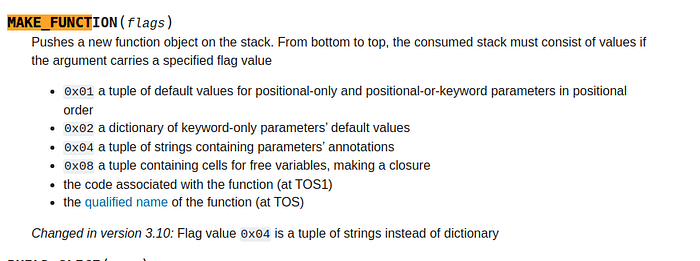
The point of this article is to explore Lambda functions, their dirrerences from regular functions and how they are implemented, based on C++, Python and Java programming languages.
Throughout this article I will be using godbolt.org to compile code and see machine code or byte code.

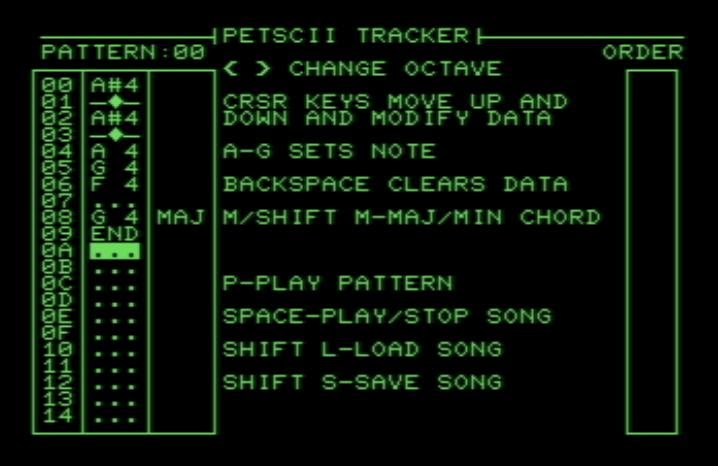
After completion of the System Beeps, I wasn’t planning to make another stand alone album release with the pseudo polyphonic music, as I felt the topic had been explored enough. This, however, wouldn’t mean I couldn’t apply the experience and skills gained to make more utilitarian stuff, like an actual retro game OST or an old school demoscene project. Such an opportunity arose in Autumn 2020, as David Murray of The 8-bit Guy Youtube channel fame announced his new game to be in development, the Attack of The PETSCII Robots for Commodore PET and some other Commodore 8-bitters. As I previously worked with David on his previous big release, Planet X3 game for MS-DOS, and this was a perfect opportunity to satisfy my interest towards the pre-graphics era PCs as well as apply my vast experience both in the minimalistic computer music and 6502 assembly programming, I offered my services that had been accepted. Besides the sound code I also had hopes to participate as a music composer this time.
Unfortunately, this time the project didn’t went well on my side, and lots of issues of all kinds eventually turned it into a small scale development hell (you can learn more from a series of posts at my Patreon blog) The end result was that my code and sound effects were only used in the VIC-20 port, and music for other versions has been created by other people. However, I was left with the full working code of the sound system for PET, and a number of music sketches. It would be a pity to file it into the archive, PET projects aren’t a frequent thing these days, so another chance to use the stuff wouldn’t come any time soon. So I got the idea to develop my music sketches into full songs, and release it as an alternative OST, and having David’s approval it has been done and released in the Winter 2021 as Faulty Robots, a small music album for PET that is available as a digital audio release and a runnable program for the actual PET computer.


Back in 2016 an United States based music composer and performer Sergio Elisondo released an one-man band music album A Winner Is You (know your meme), with multi-instrumental cover versions of tunes from numerous memorable classic NES games. A special feature of this release has been its version released in the NES cartridge format that would run on a classic unmodified console and play digitized audio of the full album, instead of the typical chiptune sound you would expect to come from this humble console. I was involved with the software development part of this project.
This year Sergio makes a return with a brand new music release. This time it is all original music album You Are Error, heavily influenced with the video game music aesthetics. It also comes with a special extra. This time we have raised the stakes, and a new NES cartridge release includes not only the digitized audio, but full motion videos for each song, done in the silhouette cutout style similar to the famous Bad Apple video. Yet again, this project is crowdfunded via Kickstarter. It already got the asked amount in a mere 7 hours, but there is still a little time to jump on the bandwagon and get yourself a copy. In the meantime I would like to share an insight on the technical side of both projects.

__int128 add1(__int128 a, __int128 b) {
    return b + a;
}





The module was created as a part of my master thesis in the 2010 year. The master thesis theme is Keylogging in Linux kernel. The main idea was to find out a way to intercept system calls for x64 arch Linux kernel, especially for kernel 2.6.34.7-61.fc13.x86_64.