Pull to refresh
90.99

Design

Design will save the world

Show first
Rating limit
Level of difficulty

Documentation in UX Design: why is it important and how to integrate it into the workflow

Level of difficultyEasy
Reading time4 min
Reach and readers5.3K

Design documentation is a crucial part of the UX workflow that unfortunately often gets looked upon as something not worthy of wasting time and effort on. Meanwhile, it is the most trustworthy way of bringing order to the process and sharing all the details about the product development with everyone involved. Basically, it is a set of documents that record all the steps, details, descriptions and explanations of every action and decision taken and performed while creating the product. 

Let’s discuss its goals, components and ways of effective integration into the typical UX design workflow.

Read more

How to access Claude (web/api) from Russia in 2024?

Level of difficultyEasy
Reading time9 min
Reach and readers3.6K

Accessing Claude from Russia might seem like a daunting task due to the service's regional restrictions. In this article, I will explain in detail how to register for the web version and API of Claude, what tools are needed to bypass the restrictions, and how to use the service safely in the future. This guide is based on personal experience and includes registration methods that are current as of late 2024 and have been tested in practice.

After searching Russian-language resources, I realized that there is very little practically useful information, or it might not account for changes in the service's operation. Ordinary users have to gather information piece by piece - from various YouTube videos, forums, or superficial articles.

Therefore, I decided to create an up-to-date guide based on my personal experience and knowledge, taking into account all the pitfalls that an inexperienced Claude user might encounter.

Read more

AI Images: 5 Telegram Bots for Creating Pictures

Level of difficultyEasy
Reading time3 min
Reach and readers941

Now that Forbes Education is dispelling our fears that artificial intelligence will replace artists, and Gizmodo is exposing AI modelsfor simply copying training illustrations, we can relax and continue drawing cats riding dinosaurs. Which is what I'm going to do today!

I tested dozens of Telegram bots and chose the five best services for generating AI images. This will be useful for those who spend a lot of time in the messenger and want to create unique visual content right there.

Read more

Sora 2 — Free. How to get access to the neural network

Level of difficultyEasy
Reading time3 min
Reach and readers482

When OpenAI first showed Sora, the reaction was instantaneous: "that's it, the era of video production is over." But that was just a demonstration. The technology itself remained inaccessible to a wide audience — until the appearance of Sora 2, an updated version where any user can create up to 100 videos a day for free.

In short, Sora 2 is not just a "text-to-video generator." It's a full-fledged multi-agent system where several OpenAI models work under the hood: from text analysis and scene staging to motion and light synthesis. Unlike early versions of Runway or Pika, the quality here is almost cinematic: Sora understands context, follows the frame's composition, and maintains visual integrity between scenes.

Read more

UX design in 2026: trends to follow, challenges to overcome

Level of difficultyEasy
Reading time6 min
Reach and readers6.4K

Trends in UX design change rapidly – not even by year, but rather by month. As smartphones and technologies constantly evolve, so do UX rules – that's why a product that was perfectly crafted according to the last year's trends most likely looks outdated already and needs a thorough update. Some trends stand the test of time, though, while others get quickly replaced by more relevant ones. Here are top 10 trends that are going to shape UX design in 2026:

Read more

10 psychology-related hacks to apply in UX design

Level of difficultyEasy
Reading time4 min
Reach and readers6.8K

UX design and psychology: is there anything that connects these two fields? At first it might seem they are two completely different things that have nothing in common, but in fact, psychology plays a huge role in building a user-oriented design. Since any software product is used by humans, and any human mind acts according to the rules and principles of psychology, the latter serves as a great tool for UX designers to create the best user experience for their audience. Here are a few psychology-related hacks that can be applied in UX design:

Read more

How to retain control over a UX project more effectively

Reading time5 min
Reach and readers9.3K

The UX design process, though very creative and interesting, is often also very unpredictable in nature and might be very hard to manage. Every designer or project manager has come across issues like misunderstanding with clients, freezed or unfinished projects, rejected ideas, deadlines violation or even conflict with stakeholders. Obviously, each of these problems might have its own reasons and require separate solutions, but overall, having not enough control over a UX project is a common problem of its own. Let's discuss a few tips that can help organize UX projects more smoothly and retain control over them more effectively. 

Read more

What is design thinking and how to implement it in the UX design

Level of difficultyEasy
Reading time5 min
Reach and readers10K

Design thinking is a customer‑focused, non‑linear iterative approach to solving problems and finding creative solutions in the process of creating a human‑centered intuitive design for a product. It involves cross‑functional teams working together to study their users, address complex problems and think outside the box to drive innovation. Let's discuss the stages, principles and goals of this important process, as well as the positive impact it has on the design teams. 

Stages of design thinking

Design thinking is a non‑linear process, which means each team can organize it in the way most suitable for their current workflow. Nevertheless, experts define 5 stages that design thinking should include, not necessarily in the following order. 

Read more

The job of a UX researcher: a short guide to the required skills and responsibilities

Level of difficultyEasy
Reading time5 min
Reach and readers17K

UX research is an essential part of UX design. It implies a thorough study of a digital product's target audience by collecting and analyzing data about users, their needs and expectations, their ways of interaction with the product, and the ways the product can be improved and refined to provide the best user experience possible. All these tasks lay on the shoulders of UX researchers – professionals who systematically investigate user behavior and conduct data analysis. Let's discuss which skills are required to become a UX researcher and what responsibilities this job carries, as well as how to start a career as a researcher if you’ve just graduated and don’t have much experience.

Soft and hard skills a UX researcher should have

Since UX researchers' work includes dealing both with user emotions and numerical data, they are required to have a set of soft and hard skills to perform their job effectively. 

Soft skills for UX researchers include:

Read more

7 tips to make video learning more effective

Level of difficultyEasy
Reading time5 min
Reach and readers674

While video-based learning continues to rank high in the latest trends, there are a few points that are regularly overlooked in the production of learning videos, with a focus on user experience (UX) and user interaction 

People really enjoy watching videos. According to a survey conducted among consumers worldwide, respondents watched an average of 19 hours of online video content per week in 2022. And nearly half of all internet users watch online videos at least once a week.

Read more

Designing for Success: Crafting Effective Learning Experiences

Level of difficultyMedium
Reading time7 min
Reach and readers7.1K

The Challenge of Mandatory Learning
Once we had several mandatory learning courses designed to be passed successfully by all employees. Still, many of them struggled to do so. Reminder emails to all participants could not solve the issue. And that is when my team was summoned to develop a thorough plan to reduce the number of overdue courses to a minimum. Of course, we were asked to develop something fun and engaging.

Uncovering the Root Problems
While working on the project, we managed to uncover several problems with course assignments, including the fact that they were not offered just in time, there were too many of them, and all of them had different due dates, which made it impossible to remember when to complete them. Additionally, we found that the content itself was often dry and unengaging, further contributing to the lack of motivation among employees. Finally, we came up with a system of notifications that included clear explanatory reminder emails, an escalation system, and a redesign of the course content to make it more interactive and relevant to employees' daily work. The result was almost no overdue courses after system integration.

The Myth of Mandatory Fun
So the case first seemed to be about motivation and engagement, but it is actually about smart course design that allows people to worry about work tasks instead of worrying about course assignments. It's also about creating content that resonates with the learners and helps them see the value in the training.

Read more

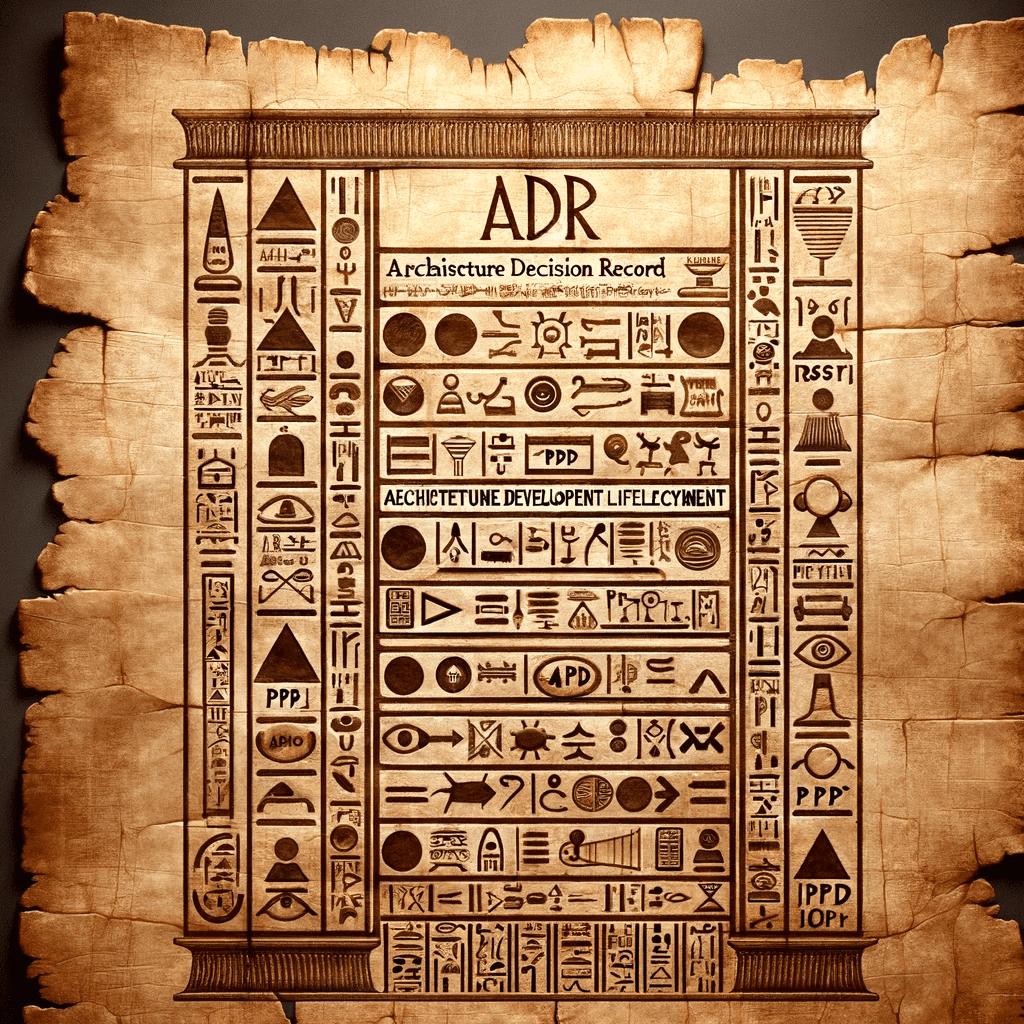
Architecture Decision Records (ADR): Enhancing Software Development

Level of difficultyEasy
Reading time3 min
Reach and readers9.2K

Introduction to ADRs

ADRs are critical for documenting architectural decisions in software projects. They provide a historical record of decisions, rationales, and impacts, vital for future teams and stakeholders.

Defining ADRs

An ADR is a document capturing key architectural decisions along with their context and consequences. It helps stakeholders understand why certain choices were made during a project, promoting transparency and clarity.

Read more

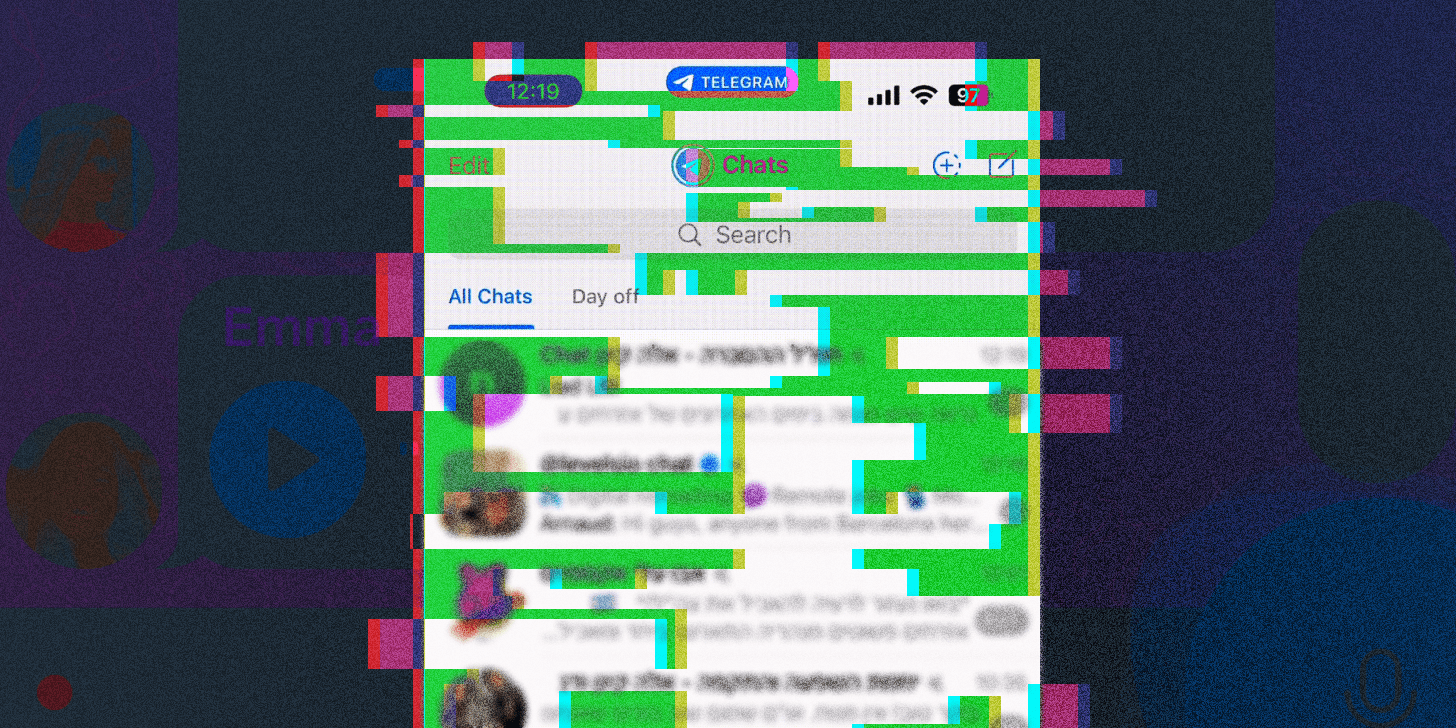
The mystery of Telegram

Level of difficultyEasy
Reading time12 min
Reach and readers3.4K

This article was originally posted at Product Identity.

What comes to your mind when you hear the word Telegram?

I wouldn’t be surprised if drugs, sex, or crypto are your first associations. Throughout the years, Telegram earned a shady reputation, perhaps not strategically, but for a “good” reason.

I feel like Telegram is a mystery. On the outside, it might be perceived as a platform designed for drug traffickers, crypto scammers, and sexual abusers.

I shared this feeling when I joined the early team of Bancor in 2016, as I also joined its internal group chat, needless to say, on Telegram.

However, the app was quickly removed from my list of stigmas. Instead, I started to appreciate Telegram for its well-crafted product and care for design. From its meticulous attention to small details to have a unique brand — it stands as a dogma of an opinionated product (and a company) in many aspects. In addition, it helped me recognize the benefits of separating my private and professional lives early on.

After using Telegram extensively over the past 7+ years, I feel the urge to write about it, but this time not in the spirit of its typical news headlines.

Read more

An introduction to the world of AI for designers

Level of difficultyEasy
Reading time5 min
Reach and readers2.1K

Every day a new neural network appears and every day more opportunities are opened to designers to simplify their workflow. Someone fundamentally refuses to use them, because “there is no life in machinex and technologies”, and someone is only happy to find a way to reduce the amount of work. Personally, I belong to the second type and want to share the most detailed gait on neurons I have acquired lately. 

Read more

UX Copy: Writing for Non-Readers

Reading time6 min
Reach and readers3K

Getting a task from a client, UX designers tend to pay attention to the design goals, not the contents of the website/app itself. There’s something completely wrong with it because the visual part might be superb, but when it frames a vague or wordy message, the client's goals won’t be reached.

To avoid this, a UX designer should dive deeper into the content, analyze it, and restructure it in an interface-friendly way. It doesn’t mean doing the copywriter’s job, it means collaborating. The reality is that sometimes the writing team is used to praising the product (because clients like that), or there is no copywriter involved in the project at all.

Provide proof instead of opinion

An impression is more powerful when the customer can conclude the product’s benefits on their own. Instead of a colorful line of adjectives like “ultimate” or “leading” you should aim at what exactly makes the product that cool. The trick is to be precise, preferably with an example.

Get More Tips

Designing Converting Landing Pages

Reading time6 min
Reach and readers4.4K

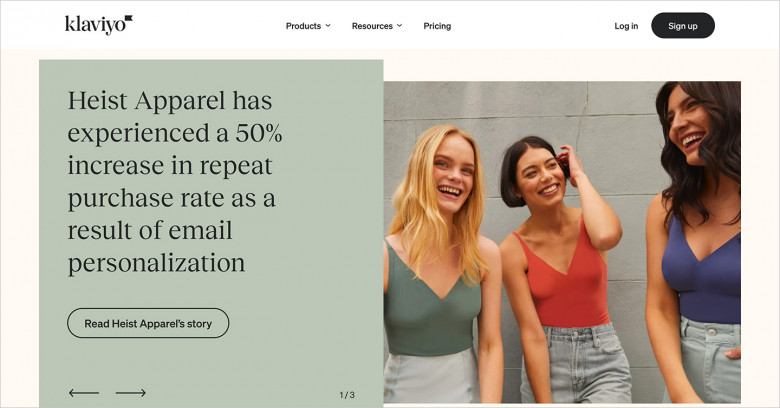
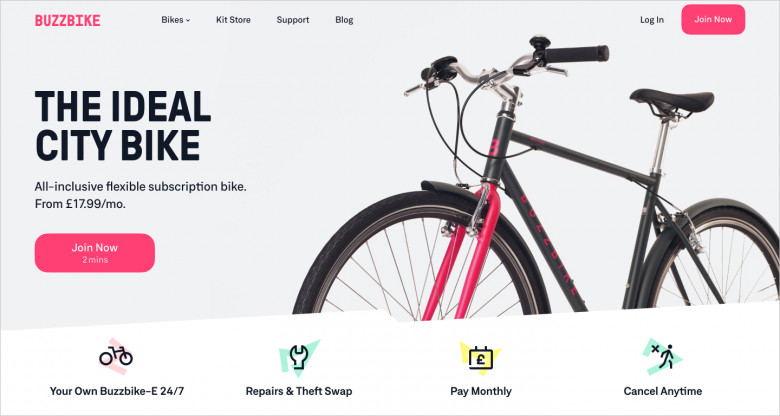
It feels like everything about LPs has already been said, however, I still keep seeing the same mistakes being made over and over again both by start-ups and established companies. Here are some tips, backed up by my 10-year experience as a UX/UI Director in agencies and product-led companies. These alone will give a nice increase in your conversion rate, I guarantee. 

Use a descriptive, not a salesy hero header 

Answer the questions “What?” and “For whom?” as early on the page as possible. A very common pattern is the largest copy being an inspirational abstract slogan and below it in smaller font the actual statement about what the product is and what it does. 

Get More Tips

Four UX failings that e-commerce can fix with design

Reading time3 min
Reach and readers1.2K

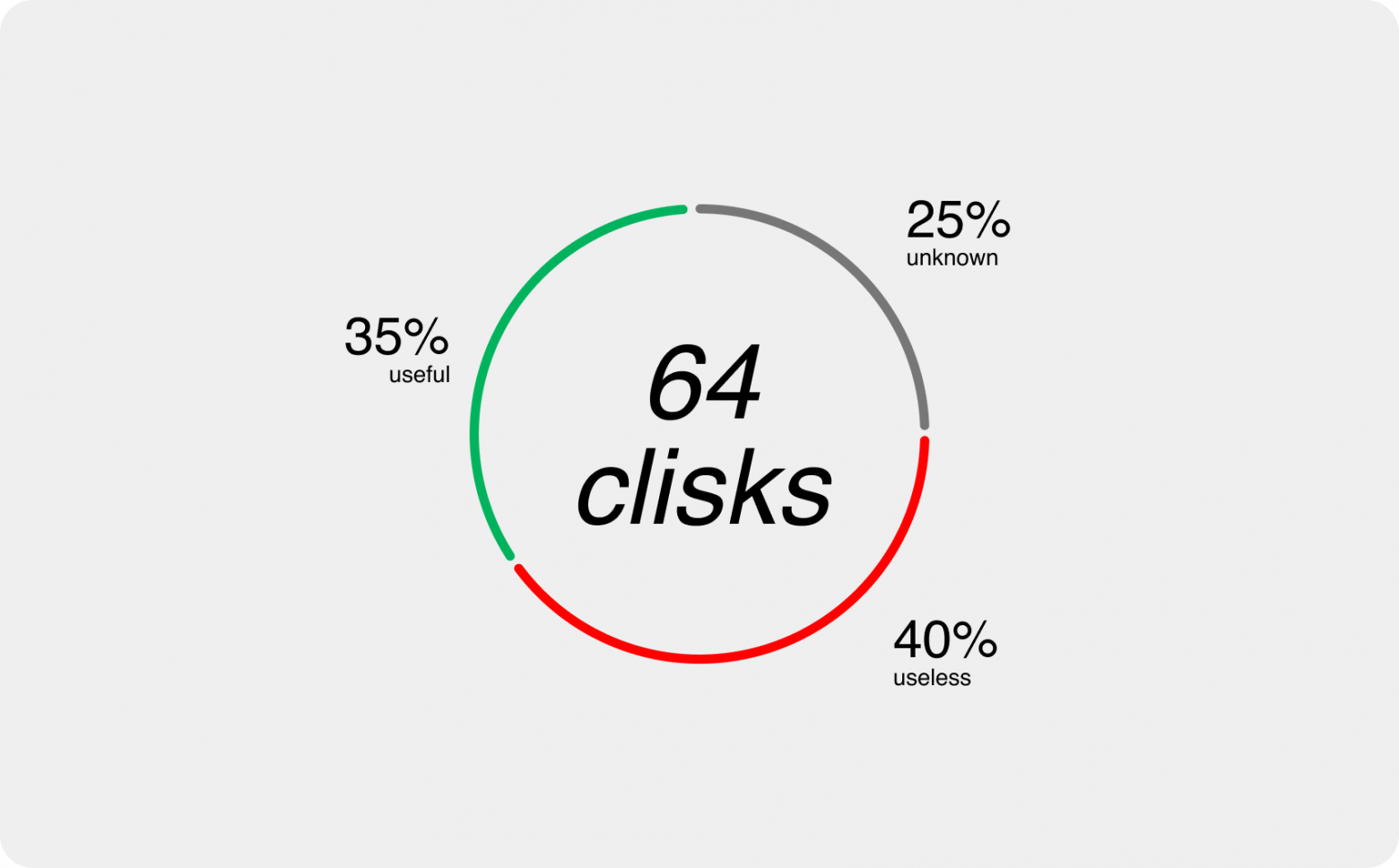
On average, online store users make 64 clicks before adding a product to the cart. Some clicks are useful - so-called discovery clicks that help lead to users finding a product they wish to buy, and some are useless that come as the result of poor UX. With great competition for convenience and increasingly reducing attention spans of users, each useless click reduces the number of visitors that will reach checkout.

Read more

A tale of how PVS-Studio reimagined the bug

Reading time4 min
Reach and readers2K

You all know our mascot — a unicorn — many people grew fond of him! However, PVS-Studio has a supporting character who is also the antagonist of our product — a bug! Well, a bug is not omnipresent, indestructible evil. It's more like an everyday or a work-related trouble. In this article, you'll learn how we created a new character, and why he looks like a ladybug. Oh, and if you wonder why the hell he has a belly button — keep reading!

Read more
1