Top 10 bugs found in C# projects in 2021

In 2021 we published several articles and showed you errors found in open-source projects. The year 2021 ends, which means it's time to present you the traditional top 10 of the most interesting bugs. Enjoy!

Multi-paradigm programming language encompassing strong typing, imperative, declarative, functional, generic, object-oriented (class-based), and component-oriented programming disciplines

In 2021 we published several articles and showed you errors found in open-source projects. The year 2021 ends, which means it's time to present you the traditional top 10 of the most interesting bugs. Enjoy!

The .NET 6 turned out to be much-awaited and major release. If you write for .NET, you could hardly miss such an event. We also couldn't pass by the new version of this platform. We decided to check what interesting things we can find in the sources of .NET libraries.

Six years ago, we first checked Umbraco with the PVS-Studio static analyzer for C#. Today, we decided to go where it all started and analyze the Umbraco CMS source code.
Structured logging is gaining more and more popularity in the developers' community. In this article I'd like to demonstrate how we can use structured logging with the Microsoft.Extensions.Logging package and show the idea how we can extend it using the new features of C# 10.

Today, we discuss C# code quality and a variety of errors by the example of CMS DotNetNuke. We're going to dig into its source code. You're going to need a cup of coffee...

The .NET Foundation is an independent organization, created by Microsoft, to support open-source projects around the DotNet platform. Currently, the organization gathered many libraries under its wing. We have already tested some of these libraries with the help of PVS-Studio. The next project to check with the analyzer - LINQ to DB.

People often see work in support as something negative. Today we'll look at it from a different perspective. This article is about a real communication of 100+ messages, exceptions, the analysis that didn't complete in three days...

The OWASP Top Ten 2017 category A9 (which became A6 in OWASP Top Ten 2021) is dedicated to using components with known vulnerabilities. To cover this category in PVS-Studio, developers have to turn the analyzer into a full SCA solution. How will the analyzer look for vulnerabilities in the components used? What is SCA? Let's try to find the answers in this article!

This article covers the new version of the C# language - C# 10. Compared to C# 9, C# 10 includes a short list of enhancements. Below we described the enhancements and added explanatory code fragments. Let's look at them.
For the first time PVS-Studio provided support for the CWE classification in the 6.21 release. It took place on January 15, 2018. Years have passed since then and we would like to tell you about the improvements related to the support of this classification in the latest analyzer version.


After you read this article, you'll have the knowledge to create your own static analyzer for C#. With the help of the analyzer, you can find potential errors and vulnerabilities in the source code of your own and other projects. Are you intrigued? Well, let's get started.

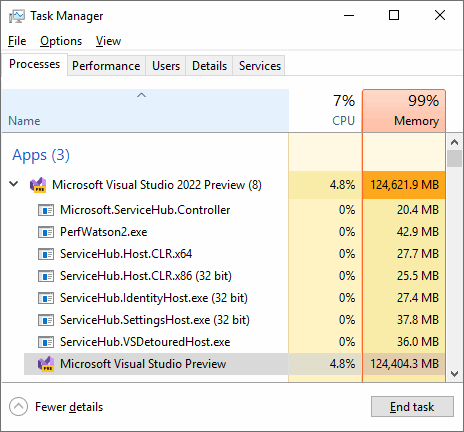
In April 2021 Microsoft announced a new version of its IDE – Visual Studio 2022 – while also announcing that the IDE would be 64-bit. We've been waiting for this for so long – no more 4 GB memory limitations! However, as it turned out, it's not all that simple...

Hello!
This post is about writing a fast enumerator in C#:
foreach (var i in 1..10)
We will figure out whether it's possible to make it as fast as for, and what can we do to improve our performance.
A lot of benchmarks and sharplab coming. Let's rock!

XSS - or cross-site scripting - is one of the most common vulnerabilities in web applications. It has been on the OWASP Top 10 list (the list of the most critical security risks to web applications) for a while now. So let's figure out together how your browser can acquire and execute a script from a third-party website, and what this may lead to (spoiler: your cookies could get stolen, for example). And while we're at it, we'll talk about ways you can protect yourself from XSS.

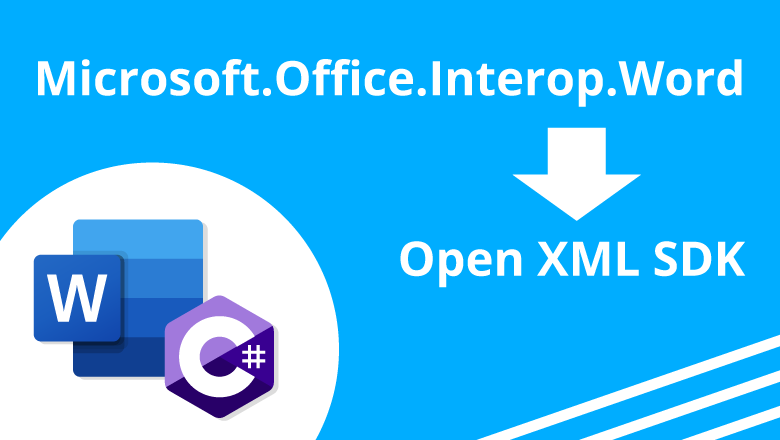
With the .NET5 release further development of some projects was questionable due to the complexity of porting. One can abandon small outdated libraries or find a replacement. But it's hard to throw away Microsoft.Office.Interop.Word.dll. Microsoft doesn't plan to add compatibility with .NET Core/5+, so in this article we focus on creating Word files with Open XML SDK.

PHP is widely known as an interpreted programming language used mainly for website development. However, few people know that PHP also has a compiler to .NET – PeachPie. But how well is it made? Will the static analyzer be able to find actual bugs in this compiler? Let's find out!

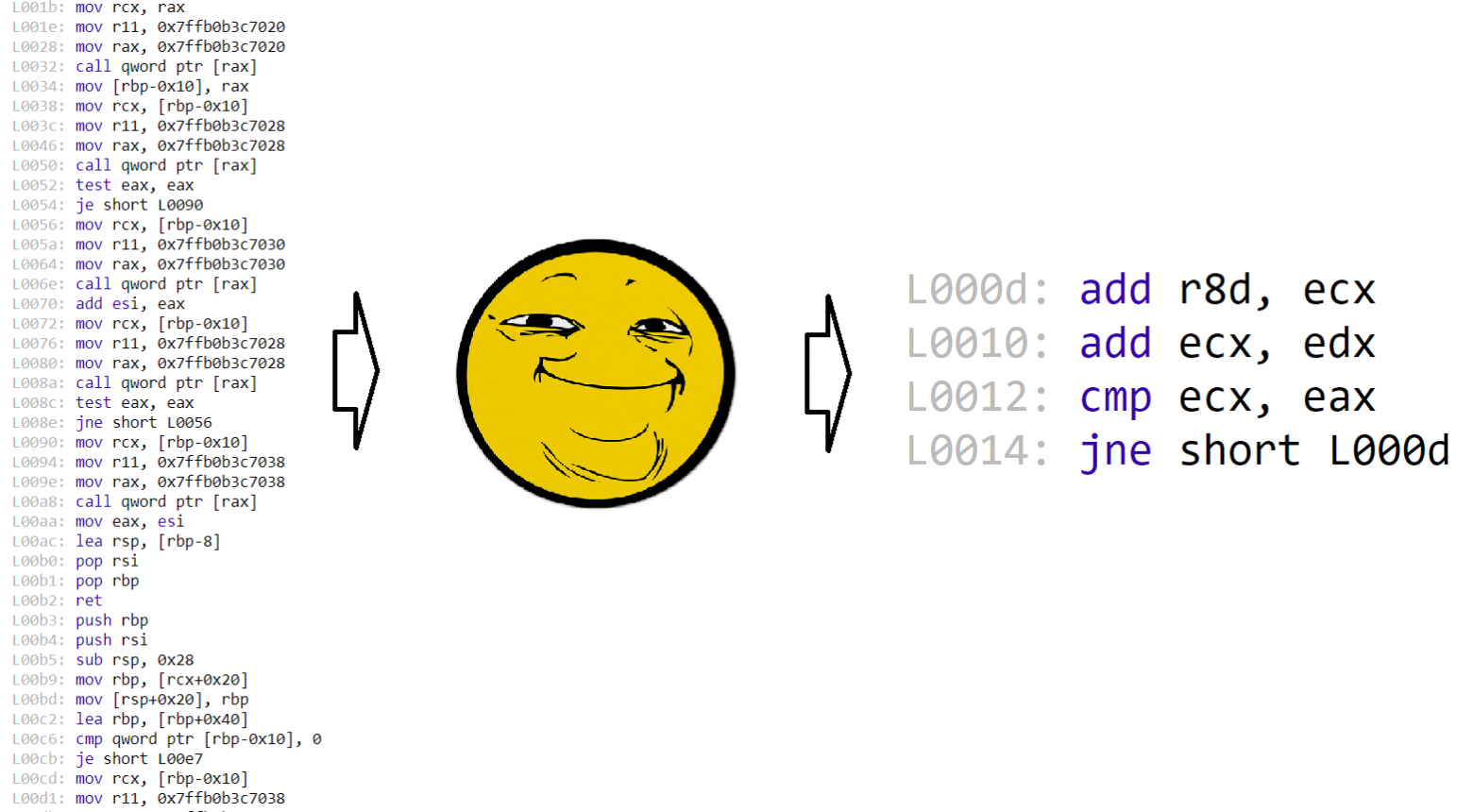
Today we're going to discuss how small optimizations in the right places of the application can improve its performance. Imagine: we remove the creation of an extra iterator in one place, get rid of boxing in the other. As a result, we get drastic improvements because of such small edits.

C# has low barriers to entry and forgives a lot. Seriously, you may not understand how things work under the hood but still write code and remain easy-going about this. Though you still have to deal with different nuances over time. Today, we'll look at one of such subtle aspects — handling enumerations.

Four months of awesome work together with a few new contributors finally result in a new major release, which I'm happy to announce about.
Now we get completely new matrices, improved parser, a lot of new functions, almost rewritten interactive package (for working in Jupyter) and many more.
This article about a big update in a FOSS symbolic algebra library for .NET, I hope it may be interesting for someone!

Hackathons could be very intimidating and stressful. The key to getting better is doing simple projects. In this article, we will look at an example of a web app that can be used for sharpening your skills when you prepare for a hackathon. We will use a powerful Google API based on Machine Learning and apply the following technologies: ASP.NET, HTML, Docker, Heroku, and Git.