Pull to refresh
256K+

Image processing *

Working with photos and videos

142,76
Rating
Show first
Rating limit
Level of difficulty

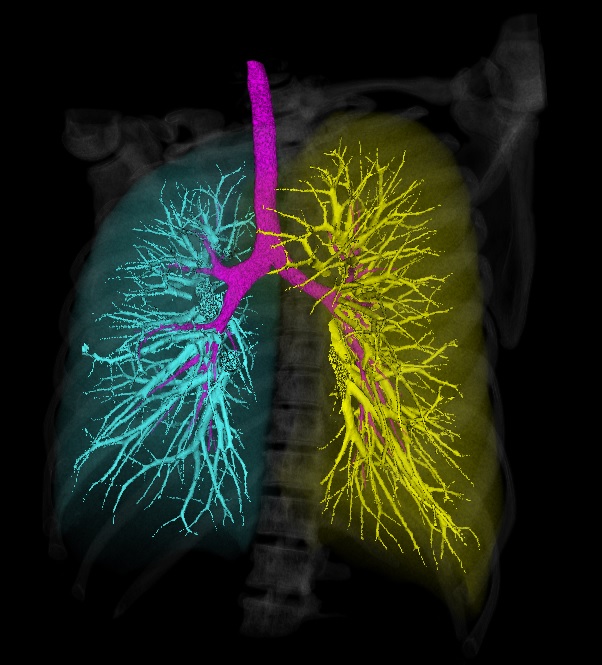
Automatic respiratory organ segmentation

Reading time8 min
Reach and readers2.5K

Manual lung segmentation takes about 10 minutes and it requires a certain skill to get the same high-quality result as with automatic segmentation. Automatic segmentation takes about 15 seconds.


I assumed that without a neural network it would be possible to get an accuracy of no more than 70%. I also assumed, that morphological operations are only the preparation of an image for more complex algorithms. But as a result of processing of those, although few, 40 samples of tomographic data on hand, the algorithm segmented the lungs without errors. Moreover, after testing in the first five cases, the algorithm didn’t change significantly and correctly worked on the other 35 studies without changing the settings.


Also, neural networks have a disadvantage — for their training we need hundreds of training samples of lungs, which need to be marked up manually.

Read more →

AI-Based Photo Restoration

Reading time7 min
Reach and readers18K


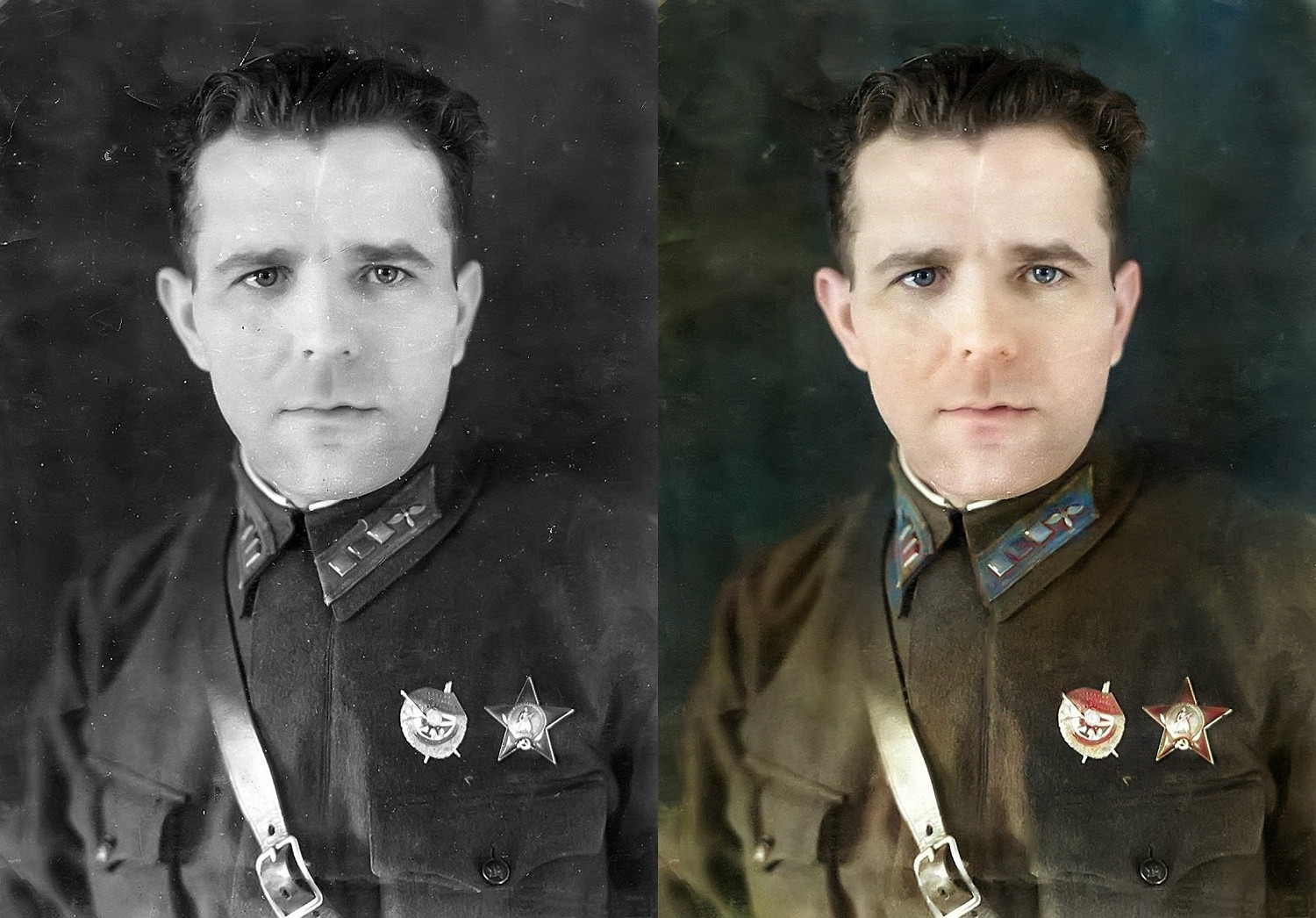
Hi everybody! I’m a research engineer at the Mail.ru Group computer vision team. In this article, I’m going to tell a story of how we’ve created AI-based photo restoration project for old military photos. What is «photo restoration»? It consists of three steps:

  • we find all the image defects: fractures, scuffs, holes;
  • we inpaint the discovered defects, based on the pixel values around them;
  • we colorize the image.

Further, I’ll describe every step of photo restoration and tell you how we got our data, what nets we trained, what we accomplished, and what mistakes we made.
Read more →

Dog Breed Identifier: Full Cycle Development from Keras Program to Android App. on Play Market

Reading time25 min
Reach and readers16K
With the recent progress in Neural Networks in general and image Recognition particularly, it might seem that creating an NN-based application for image recognition is a simple routine operation. Well, to some extent it is true: if you can imagine an application of image recognition, then most likely someone have already did something similar. All you need to do is to Google it up and to repeat.

However, there are still countless little details that… they are not insolvable, no. They simply take too much of your time, especially if you are a beginner. What would be of help is a step-by-step project, done right in front of you, start to end. A project that does not contain «this part is obvious so let's skip it» statements. Well, almost :)

In this tutorial we are going to walk through a Dog Breed Identifier: we will create and teach a Neural Network, then we will port it to Java for Android and publish on Google Play.

For those of you who want to see a end result, here is the link to NeuroDog App on Google Play.

Web site with my robotics: robotics.snowcron.com.
Web site with: NeuroDog User Guide.

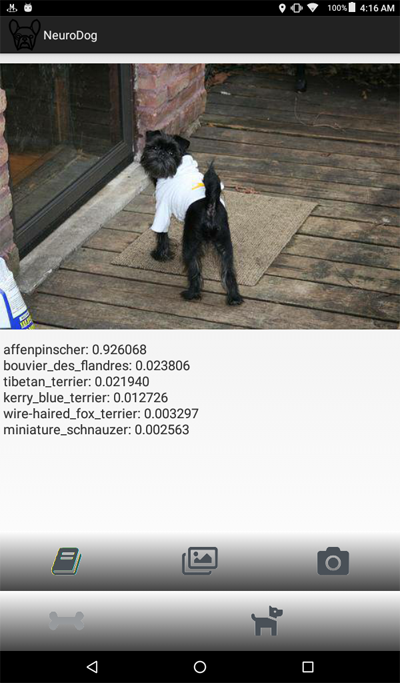
Here is a screenshot of the program:

image

Read more →
2