Pull to refresh
32K+

FPGA *

Programmable logic integrated circuits

90,64
Rating
Show first
Rating limit
Level of difficulty
Format

Samsung expands GPU team: open RTL Designer and Performance Architect positions The team at Samsung that designs the...

Reading time2 min
Reach and readers20K

Samsung expands GPU team: open RTL Designer and Performance Architect positions

The team at Samsung that designs the Xclipse GPU in Galaxy phones with Exynos SoC – is doing expansion. There are multiple jobs available, including positions in the RTL and Architecture teams:

Читать дальше →

Here is my take on Verilog-vs-VHDL In the early 1990s many people thought that Verilog was a temporary language and...

Reading time2 min
Reach and readers18K

Here is my take on Verilog-vs-VHDL

In the early 1990s many people thought that Verilog was a temporary language and was going away with VHDL standard adoption.

For example, Verilog was plagued by race conditions in the form:

always @ (posedge clock) a = b;
always @ (posedge clock) c = a;

You had to use non-blocking assignments or delays in simulation to counteract the fact that the order of always block evaluation is indeterminate. This led to a pre-synthesis-post-synthesis simulation mismatch. At the same time, many people complained that VHDL has different incompatible arithmetic packages (numeric_std and std_logic_arith) and writing something like

wire [3:0] a, b;
wire [4:0] c = a + b;

becomes something like

signal a, b : std_logic_vector (3 downto 0);
signal c : std_logic_vector (4 downto 0);
c <= std_logic_vector (resize (unsigned (a), 5) + resize (unsigned (b), 5))

Finally John Cooley, the first blogger of EDA industry (he started his blog http://deepchip.com even before the word "blogger" appeared in the press) decided to make a hackathon in 1997 (at that moment the word "hackathon" was also unknown) to find out who is more productive - Verilog or VHDL engineers.

John Cooley published the results in an article

"The Unexpected Results From A Hardware Design Contest:  Verilog Won & VHDL Lost? -- You Be The Judge!"

https://www.angelfire.com/in/rajesh52/contest.html

He found that the Verilog engineers were more productive in his challenge.

After that more and more companies started to switch to Verilog, especially when Verilog-2001 and SystemVerilog integrated all the features of VHDL (packages, generate, records/structs etc).

Читать дальше →

Некоторые товарищи, например Олег Чирухин на Фейсбуке утверждают, что LLM хорошо пишет на JavaScript / TypeScript и...

Reading time2 min
Reach and readers18K

Некоторые товарищи, например Олег Чирухин на Фейсбуке утверждают, что LLM хорошо пишет на JavaScript / TypeScript и плохо на Verilog / SystemVerilog потому что первого в мире больше. Однако у верилога есть два критических фактора, которых у JS вообще нет. В JS если программа работает долго - это просто неудобство, в Verilog-е если нарушается тайминг внутри такта (задержки в пикосекундах) или результат приходит через 5 тактов, а он ожидался через 4 - все нафиг ломается. LLM не понимает ни тайминг внутри тактов, ни тайминг по тактам (латентность).

Никто не будет из-за этого дурацкого LLM ставить везде hanshake не зависящий от латентности подблоков, снижать пропускную способность блока на порядок или снижать в разы тактовую частоту - скажем вместо процессора с частотой 2 GHz выкатывать на рынок процессор с частотой 20 MHz. И с производительностью по тактам 2 СoreMark / MHz вместо 12 СoreMark / MHz. И при этом большой в разы и с высоким энергопотреблением. Это как продавать автомобили со скоростью и грузоподъемостью велосипеда и весом как самосвал - такое никто не купит.

Тайминг внутри такта (задержки в пикосекундах) только из кода определить нельзя, нужна процедура статического анализа тайминга, который знает задержки конкретной библиотеки ASIC (LLM не умеет делать STA (static timing analysis) и не знает задержек конкретной версии библиотеки скажем на 2 нанометра low power такого-то вендора).

С неумением LLM понимать что происходит в каком такте все интереснее. В принципе это понять можно, но это требует довольно вдумчивого анализа конкретного кода, а LLM это не просто не умеет, а в наглую пишет "for illustration, assume the latency is 1" - типа тоном профессора "для иллюстрации, предположим латентность подблока - 1 такт". А если не предполагать? С предположением все поломается.

Читать дальше →

У меня есть коллега (не по Самсунгу, а по образовательным программам), который влюблен в ИИ. У меня есть опасения что...

Reading time1 min
Reach and readers18K

У меня есть коллега (не по Самсунгу, а по образовательным программам), который влюблен в ИИ. У меня есть опасения что он может использовать ИИ для написания некой инструкции, которая включает теоретическую базу SystemVerilog-а. С моей точки зрения это очень дурная идея, так как LLM не следует стандарту, а генерит то, что людям интуитивно "кажется". Для иллюстрации спросил у ChatGPT 4.0 чем отличается wire, reg и logic. Словил 3 ошибки и 2 недочета:

1. Недочет: LLM (как и большинство людей, даже экспертов) забыл упомянуть про разницу в контексте инициализации ("wire a = b" это continuous assignment то есть "wire a; assign a = b;", а вот "logic a = b" это инициализация в момент 0, то есть "logic a; initial a = b;")

2. Ошибка: LLM почему-то думал что "wire a = 1'b0" несинтезируемо в Verilog, но синтезируемо в SystemVerilog.

3. Ошибка: LLM думал, что "always_ff" можно использовать для создания D-защелки (D-latch).

4. Ошибка: LLM думал, что "always_comb" может infer latch.

5. Недочет: LLM забыл про "always_latch".

То есть если скажем преподаватель ленится читать стандарты и книги, но вздумал писать методичку с помощью ChatGPT, то его студенты жестоко пострадают (баг от (1) трудно отлаживать) и будут понимать все "приблизительно".

Читать дальше →

У меня есть знакомый энтузиаст LLM, который также изучает верилог. Я попросил его написать инструкцию к упражнению с...

Reading time2 min
Reach and readers18K

У меня есть знакомый энтузиаст LLM, который также изучает верилог. Я попросил его написать инструкцию к упражнению с неким сенсором, который он интегрировал. Он разумеется сбросил это на LLM, я почитал и понял, что LLM нужно запретить как распостранение Экстази и "солей" среди молодежи. Точно так же как "дизайнерские наркотики" дают ощущение счастья и достижения без труда, сгенеренная LLM документация выглядит как реальная, вот только читателю она не поможет.

Что нужно читателю? Картинку как подцепить сенсор к плате, временную диаграмму сигналов которые от него выходят и пару слов про проблемы, которые у него возникнут (дребезг) и как их стоит решать. Так чтобы было достаточно информации, чтобы сесть и написать код на верилоге.

Что выдал LLM? Сначала пять абзацев мутного словестного описания что "изменения переключателей проходят некоторую последовательность, позволяющую определить направление", с галлюцинациями что движется и что неподвижно. Потом не имеющую отношения к задаче информацию, из каких материалов делаются эти сенсоры в разных странах мира, чтобы быть дешевыми для хоббистов и образовательных учреждений. Далее про разные способы решения проблемы дребезга, в том числе способы, не имеющие отношения к данной ситуации. И наконец, куски определения пинов из QSF и XDC файлов из случайных примеров в интернете, которые не имеют отношения к описанному примеру, так как в нем во-первых эти файлы не используются (другой вендор, другой способ задания пинов), а во-вторых, в нем эта часть проекта абстрагирована (пользователю вообше это не нужно это делать).

Читать дальше →

How to Fail Those Students Who Rely on ChatGPT

Reading time3 min
Reach and readers6.3K

We at Verilog Meetup constructed an exam/interview problem that has an interesting property: if a student tries to figure out a solution by thinking by himself, he usually succeeds; however if he dumps the problem on ChatGPT, the solution fails (does not pass the automated test), and the student goes into a death spiral of futility, kicking ChatGPT to get the solution right.

There is nothing weird about the problem, we do this in the industry all the time:

Read more

The Armenia Opportunity: EDA, ASIC, FPGA + connections with USA, China and Russia

Reading time9 min
Reach and readers4.6K

Armenia is a lucky country. Back in the 1990s somebody lobbied Synopsys, the #1 leader in the Electronic Design Automation market, to create a division there. It was joined by Mentor Graphics / Siemens EDA, another EDA leader, then NVidia. Synopsys Armenia became the largest Synopsys division outside the US Silicon Valley and Boston, although the Taiwanese may tell you otherwise. Since Synopsys and Mentor make software used by chip designers in Apple, Samsung, AMD and all other electronic companies, Armenia has an unfair advantage over all their neighbors in Caucasus and Central Asia.

In addition, Armenia has friendly relations with Russia, and most Armenians speak Russian as well. This has facilitated the move of many Russian companies to Armenia, for example, a RISC-V semiconductor IP provider Syntacore. Finally, as we can see from the recent conference EDA Connect, Armenia is attracting the attention of electronic and EDA companies from China.

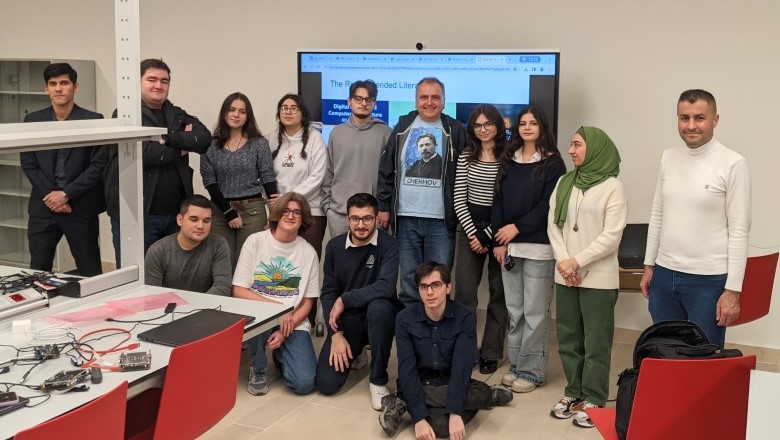
EDA Connect featured not only academic and industrial papers but also a hackathon on FPGA design, attended by local students from Yerevan State University, the American University of Armenia, the Russian-Armenian University, the French University in Armenia and others.

Read more

The State of Caravel: the First Look [Мучения в проектировании чипов из-за Докера и Питона]

Reading time47 min
Reach and readers4.8K

Написал лонгрид на английском о текущем состоянии открытых средств проектирования ASIC-ов. Заодно познакомил англоязычных читателей с практиками шаманов Сибири и фигурой Ивана Сусанина. Упомянул планируемые семинары в Мексике и Армении.

A text on the current state of Open-source ASIC design tools. Includes side discussions of the upcoming hackathons in Mexico and Armenia, Docker and Python, Static Timing Analysis and RISC-V, Siberian shamans and treacherous swamps in Belarus.

Read more

Как разводят венчурных капиталистов на бабки по поводу процессоров Когда в СМИ публикуют статью про новый...

Reading time1 min
Reach and readers23K

Как разводят венчурных капиталистов на бабки по поводу процессоров

Когда в СМИ публикуют статью про новый революционный процессор, но в статье нет бенчмарок, тут все понятно: статью можно игнорировать, это просто мусорный набор символов на экране. А если бенчмарки есть? Тут тоже не все так просто. Лет 10 назад был стартап, который показывал венчурным капиталистам слайды, что их революционно гибкий процессор (который динамически выделял потоки) по тактам в 3 раза быстрее чем старшее ядро ARM. Измерение было с помощью симуляции на уровне регистровых передач и в качестве бенчмарки была то ли Dhrystone, то ли CoreMark/MHz. Но они "забыли" указать на слайдах, что если синтезировать их процессорное ядро c библиотекой ASIC на том же техпроцессе, на котором и ядро ARM, против которого они конкурируют - то статический анализ тайминга покажет, что максимальная тактовая частота, которую они могут использовать - втрое меньше, чем у ARM. То есть втрое лучше по тактам умножаем на втрое хуже по частоте = никакого улучшения. Об этом факте я случайно услышал на парти - человек сказал цифру и я сложил два плюс два, то бишь умножил 3 на 1/3.

Также замечу что развод на бабки VC ничуть не менее аморален, чем развод на бабки пенсионеров по телефону, так как в фонды VC вкладывают в том числе и частные пенсионные фонды.

Читать дальше →

A new platform for FPGA seminars based on Gowin Tang Nano 9K: adding sound, graphics and microarchitecture labs

Reading time3 min
Reach and readers5.3K

Gowin has clear advantages over Xilinx in the educational FPGA board market: Gowin boards are several times less expensive, the synthesis speed is several times faster, and the EDA package is two orders of magnitude smaller: we are talking about 1G versus 100G disk space. Of course, Xilinx is still the king of high-end prototyping boards that cost $10K-100K, but for the students such boards are irrelevant; such boards are for ASIC design companies. A beginning EE student needs a board for less than $100, and Gowin not only fits the bill but also covers all the needs, specifically:

Read more

Stopwatch implementation on FPGA board

Reading time5 min
Reach and readers2.2K

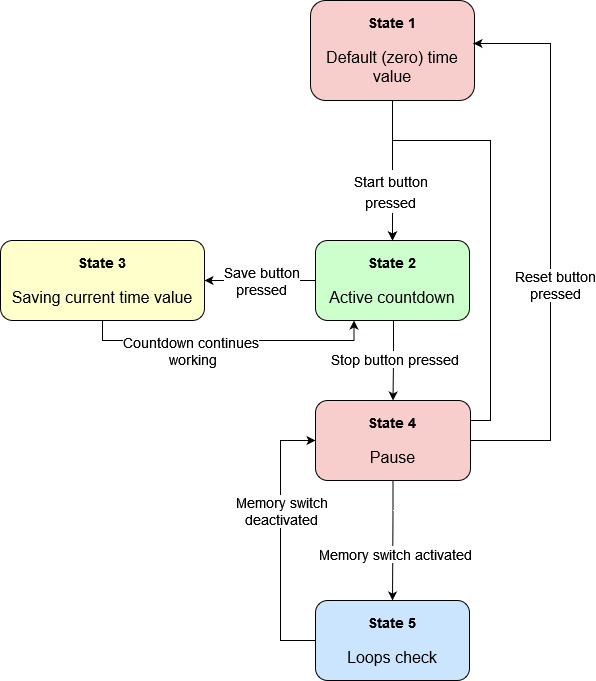
In this report we describe our implementation experience of a stopwatch system executing on an FPGA board. We programmed this device in the Quartus Prime II software environment by using Verilog hardware description language. The program is tailored to the Altera MAX 10 FPGA board, as well as uses a set of other peripheral devices for progress visualization purposes.

Read more

The results of 7 Verilog meetups + the goals and the steps going forward

Reading time5 min
Reach and readers2.7K

Since the New Year we had 7 Verilog meetups at HackerDojo. We discussed the modern way of designing digital circuits using hardware description languages, the exercises on FPGA boards and the topic of microarchitecture. For the last two sessions we went over the most basic CPU core that can be used as a baseline for further exercises.

Now, in order to make progress toward the goal of creating new educational materials, it is essential for the regular participants to solve all the homework exercises (see the details in the post below) in parallel with studying the recommended materials.

The next steps are:

1) We are going to do weekly Zoom calls on Sundays, starting March 24, 2024 at 11 am California time (summer time). The link. During this call we are going to discuss the SystemVerilog Homework and the individual projects.

2) Once we develop more materials, we are going to organize a Show-and-Tell session in Hacker Dojo, for a wider audience. During the session several participants from the core team will present demos on various FPGA boards and explain to the curious how FPGA and ASIC work.

Read more

Bootstrapping Azerbaijan as a new center of ASIC design + Verilog Meetup #6 in Silicon Valley

Reading time11 min
Reach and readers2.8K

Last week I was doing a seminar on SystemVerilog, ASIC and FPGA at ADA University in Baku, Azerbaijan. I will replicate the last two sessions of this seminar, on RISC-V CPU simulation and synthesis, at the Verilog Meetups on March 3 and March 10 at Hacker Dojo, Mountain View, California. For this reason I am combining the information about Azerbaijan and California seminars in a single post.

First, let's talk about ADA University.

Read more

Verilog Meetups @ Hacker Dojo: the status and the plans for 2024

Reading time9 min
Reach and readers4.9K

The first meetups of the Portable SystemVerilog Examples group at Hacker Dojo in Mountain View, California were a kind of brainstorming sessions. We discussed the electronic industry, the essence of modern chip design, and the challenges of educating new design engineers. Then we moved to a new mode of action. We started weekly meetings of the core R&D team with the goal to prepare educational materials for the events for a larger audience. The meetings are generally held on Sundays from 11 pm to 2 pm. If you cannot come to Mountain View, you can join online.

We are focusing on interview-level microarchitectural and CPU design examples, providing FPGA vendor-neutral infrastructure and compatibility with open-source ASIC design tools.

Read more

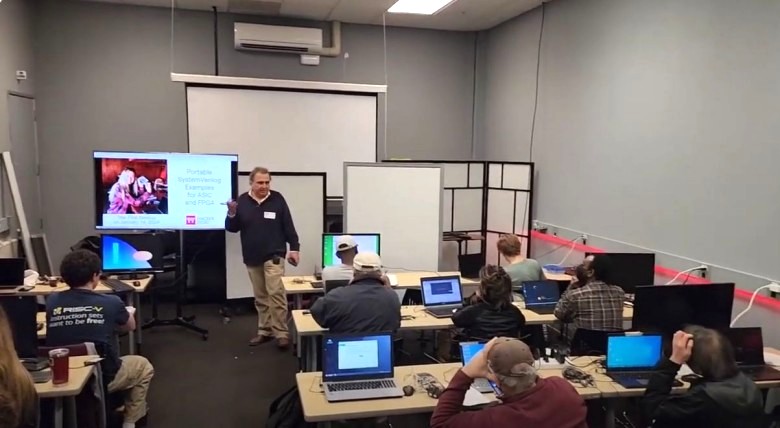
Portable SystemVerilog Examples for ASIC and FPGA: the results of the meetup on 2024-01-21 and the next steps

Reading time4 min
Reach and readers2.6K

The second meetup of the Portable SystemVerilog Examples group on January 21 2024 at Hacker Dojo in Mountain View, California, went as planned: we moved from the stage of presenting the project to the self-introductions of the participants and the initial tutorial with the first examples. We also started distributing the tasks. The next meetup is tentatively scheduled for January 28 at the same location, from 2 pm to 5 pm. The contents of the meeting will be to work on the examples: basics-graphics-music and systemverilog-homework.

Read more

The next steps after a good meetup on Portable SystemVerilog Examples for ASIC and FPGA

Reading time4 min
Reach and readers1.5K

The meetup on January 14 at Hacker Dojo in Mountain View, California, went well, although not as planned - we spent almost all the time talking instead of doing hands-on exercises. The room we booked can fit 30 people and approximately 30 people did show up. The quality of participants was high: approximately half were familiar with hardware description languages and another half came from various software topics. 12 people filled out the questionnaire despite the fact that I forgot to bring 30 pens.

The discussion during and after the presentation was focused and very meaningful: microarchitecture and education, EDA infrastructure / build scripts, open-source ASIC design tools, the economics of ASIC design and manufacturing, high-level synthesis, transaction-level modeling, ASIC prototyping using FPGA boards, FPGA embedded in ASIC (Menta), new FPGA manufacturers (Gowin) and new design languages - Chisel and SpinalHDL.

Four persons came to me after the meeting to discuss their participation in working on open-source portable SystemVerilog examples, and another seven expressed this intention in the questionnaire. So we are meeting again in Hacker Dojo on Sunday, January 21, at 2 PM, this time not in the classroom area, but in the common shared area.

Generally, I am thinking of having regular meetings, probably on a weekly basis for a small team of developers of the educational materials and on a monthly basis for a wider audience, discussing various design and verification topics.

There were two correspondents of Slavic Sacramento who recorded the video of the presentation. They are going to make it available soon.

Read more

Why would a software engineer attend an FPGA hardware meetup at Hacker Dojo?

Reading time6 min
Reach and readers2.2K

For the last 30 years digital chip design is not a schematic entry anymore: hardware engineers write code just like software engineers.

The difference is that the code software engineer writes becomes a chain of CPU instructions stored in memory, while the code in a hardware description language (HDL) becomes the CPU itself, its transistors and metal connections. And not only a CPU: the same technique is used to design processor-less ("fixed function") blocks in GPU that shuffle triangles and pixels, as well as network router chips that edit packet headers 100 times faster than CPU.

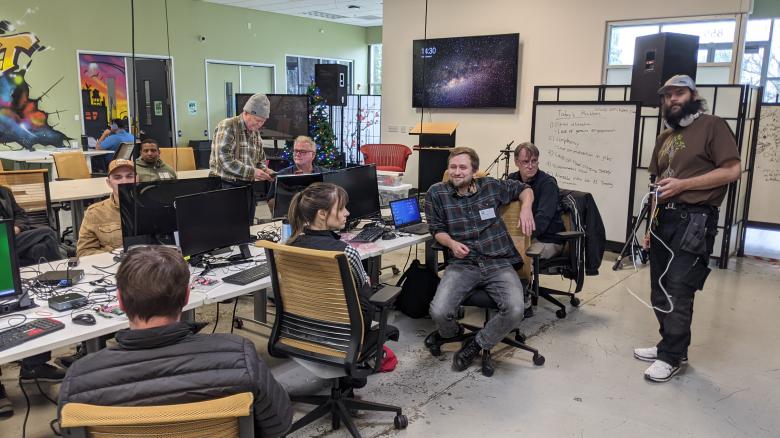
There are ways to experience this workflow without paying a million dollars to a silicon fab. One way is simulation, and another way is to use a matrix of reconfigurable logic cells, a Field Programmable Gate Array (FPGA). You can come on January 14 to Hacker Dojo in Mountain View, California. We have a bunch of computers and FPGA boards, and we will show you how to use them not only to blink LEDs but also to output graphics and recognize music.

This will change your perspective of what the code is.

Prepare for a ride:

Toward the January meetup on portable SystemVerilog examples in Silicon Valley

Reading time4 min
Reach and readers1.8K

The team developing a set of portable SystemVerilog examples decided to organize the first event in Silicon Valley on Sunday, January 14 from 2PM till 5PM at Hacker Dojo in Mountain View, CA. If the first event is successful we are going to make it recurrent. You can register for the event on Meetup or LinkedIn.

The current directions of the group:

Read more

The first Silicon Valley meetup on portable SystemVerilog examples for ASIC and FPGA

Reading time3 min
Reach and readers1.7K

Need to start your career or hobby in digital design and verification of silicon chips or reconfigurable hardware? Explore multiple FPGA toolchains and open-source ASIC tools? Design your own RISC-V CPU or ML accelerator? Prepare for an interview in SystemVerilog? Come to our first Silicon Valley meetup on portable SystemVerilog examples for ASIC and FPGA.

Read more

Exploring VALID/READY protocol, pipelines and experimenting with flow control using an HDL training tool

Level of difficultyMedium
Reading time1 min
Reach and readers3K

Ссылка на русскую версию / link to Russian version

Understanding valid/ready protocol is extremely important for every microarchitect.

Valid/ready is one of the main protocols used to organise flow-control inside a logic block as well as on inter-block (SoC) level.

In the last lesson, we explored FIFO buffer using hdlgadgets - human-in-the-loop HDL training tool.

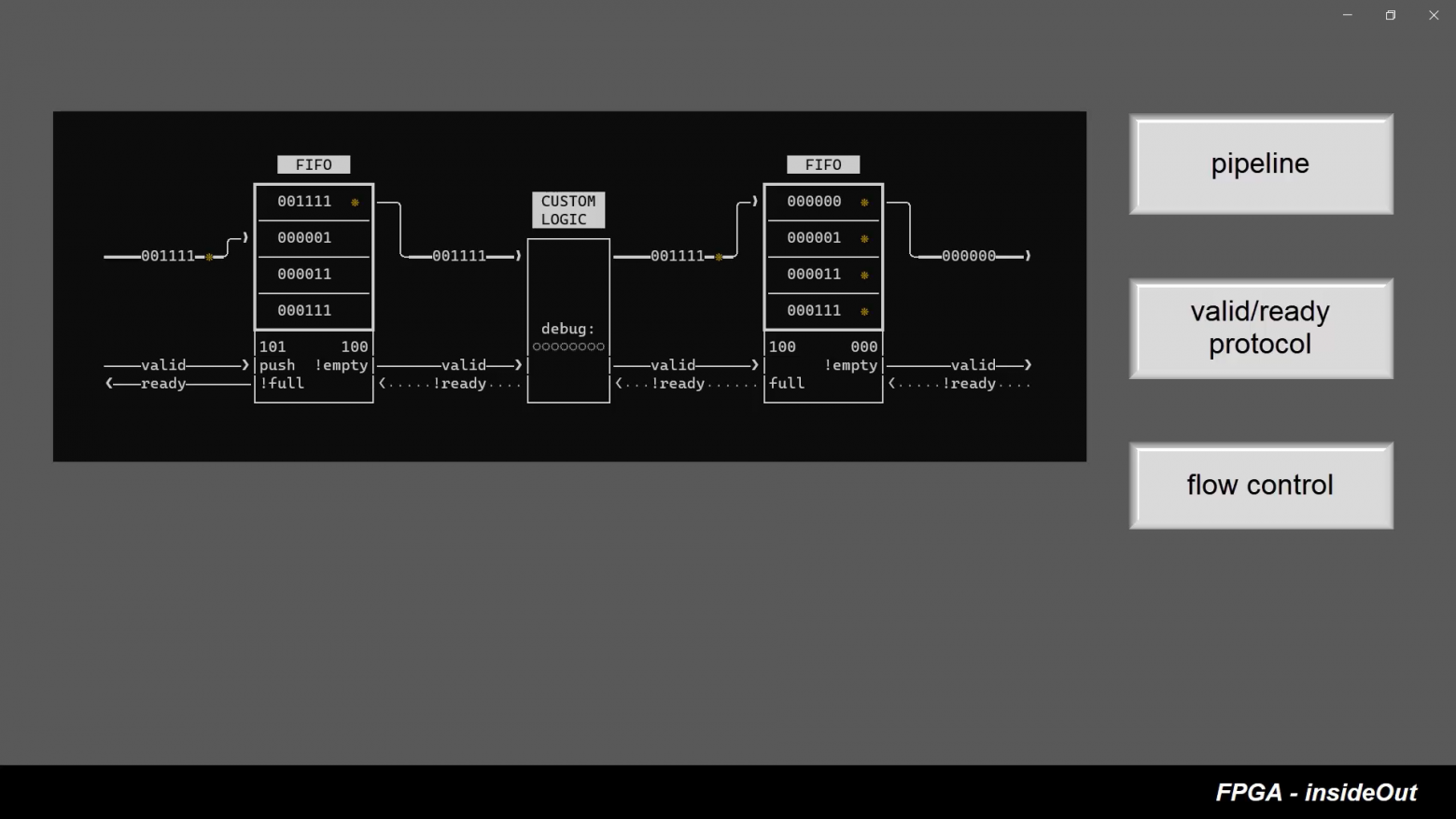
This time we will take two FIFO buffers (which form a pipeline with valid/ready handshakes) and will experiment with it by changing flow-control logic of the pipeline.

We will show that valid/ready is not only a mechanism for transferring data from one FIFO queue to another, but also a method for organizing various kinds of logical functionality between queues.

If you have not worked with valid/ready protocol before, you will be surprised how easy it is to achieve desired functionality of the design by simply writing couple of lines of Verilog code in the handshaking logic block between two FIFOs.

Read further and watch the video
1